Understanding PCOS and PCOD
PCOS and PCOD are often used interchangeably, but they have subtle differences. Both involve hormonal imbalances that affect the ovaries, but PCOS is a syndrome with a broader range of symptoms, including cysts on the ovaries, while PCOD refers more specifically to the presence of cysts without the full syndrome.
Common symptoms include:
Irregular or missed periods
Excess hair growth on face and body
Acne and oily skin
Weight gain or difficulty losing weight
Fertility challenges
These symptoms result from elevated androgen levels and insulin resistance, which natural remedies can help address.
Diet Changes That Support Hormonal Balance
Diet plays a crucial role in managing PCOS and PCOD. Foods that stabilize blood sugar and reduce inflammation can improve symptoms significantly.
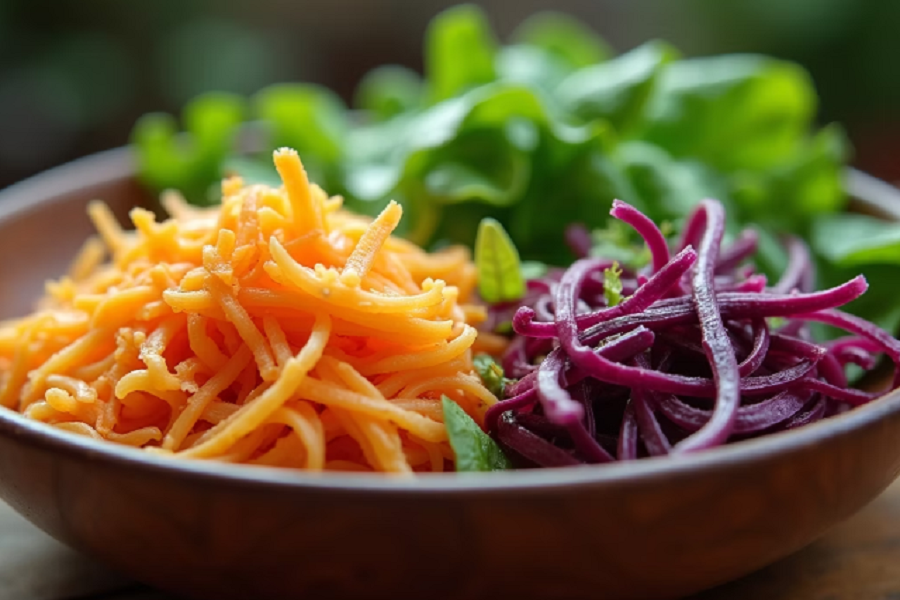
Focus on low glycemic index (GI) foods: Whole grains, legumes, nuts, and non-starchy vegetables help maintain steady blood sugar levels.
Increase fiber intake: Fiber slows digestion and reduces insulin spikes. Include foods like oats, flaxseeds, and leafy greens.
Choose healthy fats: Avocados, olive oil, and fatty fish provide omega-3 fatty acids that reduce inflammation.
Limit processed and sugary foods: These can worsen insulin resistance and hormonal imbalance.
For example, a breakfast of oatmeal topped with walnuts and berries offers fiber, healthy fats, and antioxidants that support hormone health.
Regular Physical Activity to Improve Insulin Sensitivity
Exercise is one of the most effective natural ways to manage PCOS and PCOD. It helps reduce insulin resistance, supports weight management, and balances hormones.
Aim for at least 30 minutes of moderate exercise most days of the week.
Include a mix of cardio (walking, cycling) and strength training (resistance bands, bodyweight exercises).
Yoga and Pilates can reduce stress, which also impacts hormone levels.
Studies show that women who engage in regular physical activity experience improved menstrual regularity and reduced androgen levels.
Herbal Supplements and Natural Ingredients
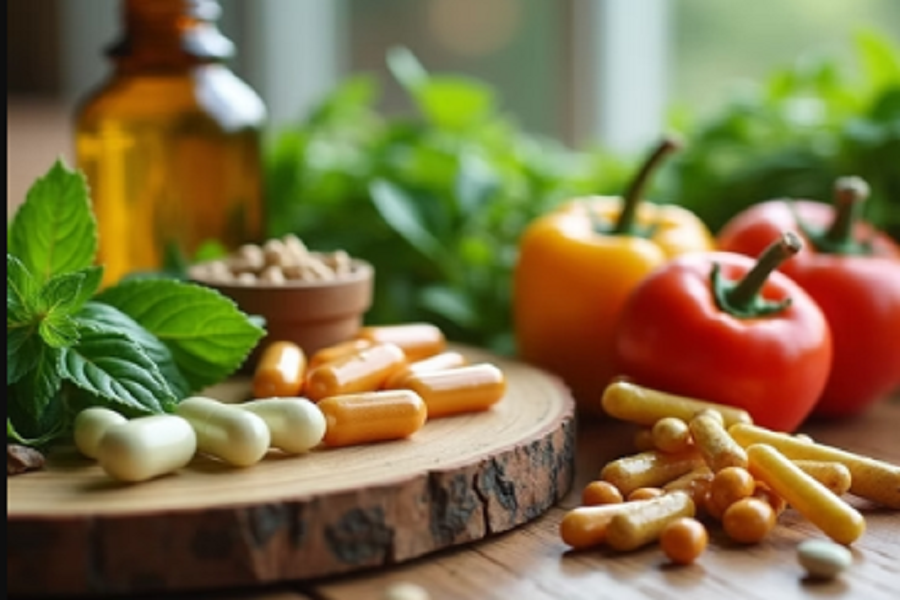
Certain herbs have been traditionally used to support women's hormonal health. While research is ongoing, some natural supplements show promise for PCOS and PCOD symptom relief.
Cinnamon: May improve insulin sensitivity and regulate menstrual cycles.
Spearmint tea: Known to reduce excess androgen levels and improve hirsutism (excess hair growth).
Fenugreek: Helps balance blood sugar and supports ovulation.
Vitex (Chasteberry): Can regulate menstrual cycles by influencing pituitary hormones.
Always consult a healthcare provider before starting supplements, especially if you take other medications.
Stress Management Techniques
Stress worsens hormonal imbalances by increasing cortisol, which can interfere with insulin and reproductive hormones. Managing stress naturally can improve PCOS and PCOD symptoms.
Practice mindfulness meditation or deep breathing exercises daily.
Engage in hobbies or activities that bring joy and relaxation.
Ensure adequate sleep, aiming for 7-8 hours per night.
Consider acupuncture or massage therapy to reduce tension.
Women who incorporate stress management often notice better mood, improved sleep, and more regular cycles.
Maintaining a Healthy Weight Naturally
Weight management is a key factor in controlling PCOS and PCOD symptoms. Even a modest weight loss of 5-10% can improve insulin resistance and hormone levels.
Combine balanced eating with regular physical activity.
Avoid fad diets focus on sustainable lifestyle changes.
Stay hydrated and avoid excessive caffeine or alcohol.
Track progress with a journal or app to stay motivated.
For example, replacing sugary snacks with nuts or fruit can reduce calorie intake while providing nutrients.
When to Seek Medical Advice
Natural remedies can support symptom management but do not replace professional medical care. If symptoms worsen or fertility is a concern, consult a healthcare provider for evaluation and treatment options.
Blood tests can assess hormone levels and insulin resistance.
Ultrasound may be needed to check ovarian cysts.
Medications like metformin or hormonal contraceptives might be recommended alongside lifestyle changes.
Combining natural approaches with medical guidance offers the best chance for long-term health.
© 2025-2026 Horta Nutrition OPC Pvt. Ltd. All Rights Reserved | Developed by SamTek iT Labs Pvt. Ltd.